Apartment Complex Access Card Replacement Guide
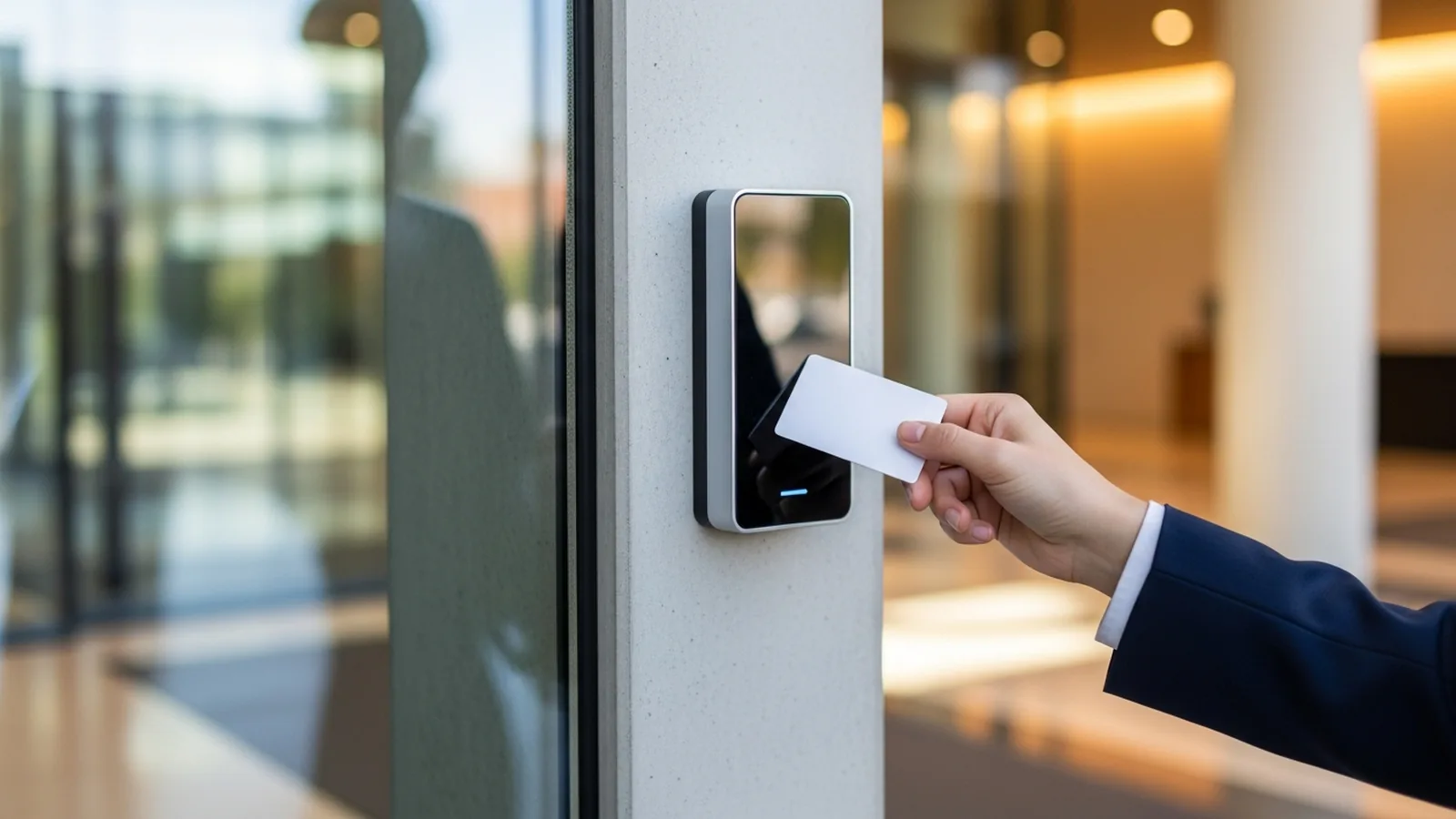
If your apartment complex uses a key card or fob entry system, you have almost certainly run into the same frustration: residents lose cards, move out without returning them, and management needs a reliable way to reorder credentials without calling the original installer and waiting weeks. American Key Cards supplies compatible access cards and fobs for the most common multifamily residential formats—programmed to your facility code, shipped direct, with no OEM dealer account required.
Why Apartment Access Card Replacement Is More Complicated Than It Looks
Most properties do not have one universal card format. The access card format your building uses depends on who installed the system and which readers they specified—not on a universal standard. A DoorKing gate system uses an entirely different card from an AWID-based interior panel, and neither of those is interchangeable with a Kantech ioProx reader or a Brivo smart reader.
Understanding which format you have before ordering is the single most important step. Order the wrong format and the cards will not read—no matter how similar they look.
The Four Most Common Apartment Access Formats
DoorKing DKProx (AWID 26-Bit)
DoorKing is one of the most widely installed gate and entry system brands in U.S. apartment complexes and gated communities. The critical detail that surprises most property managers: DoorKing’s DKProx readers use the AWID protocol, not the HID Prox protocol. Both transmit 26-bit Wiegand data to your access panel, but the card-to-reader RF encoding is entirely different. A standard HID card will not work in a DKProx reader.
DoorKing’s OEM card SKUs include 1508-120 (clamshell card) and 1508-121 (ISO printable card). These are sold exclusively through the DoorKing dealer network with no direct purchase option for end users.
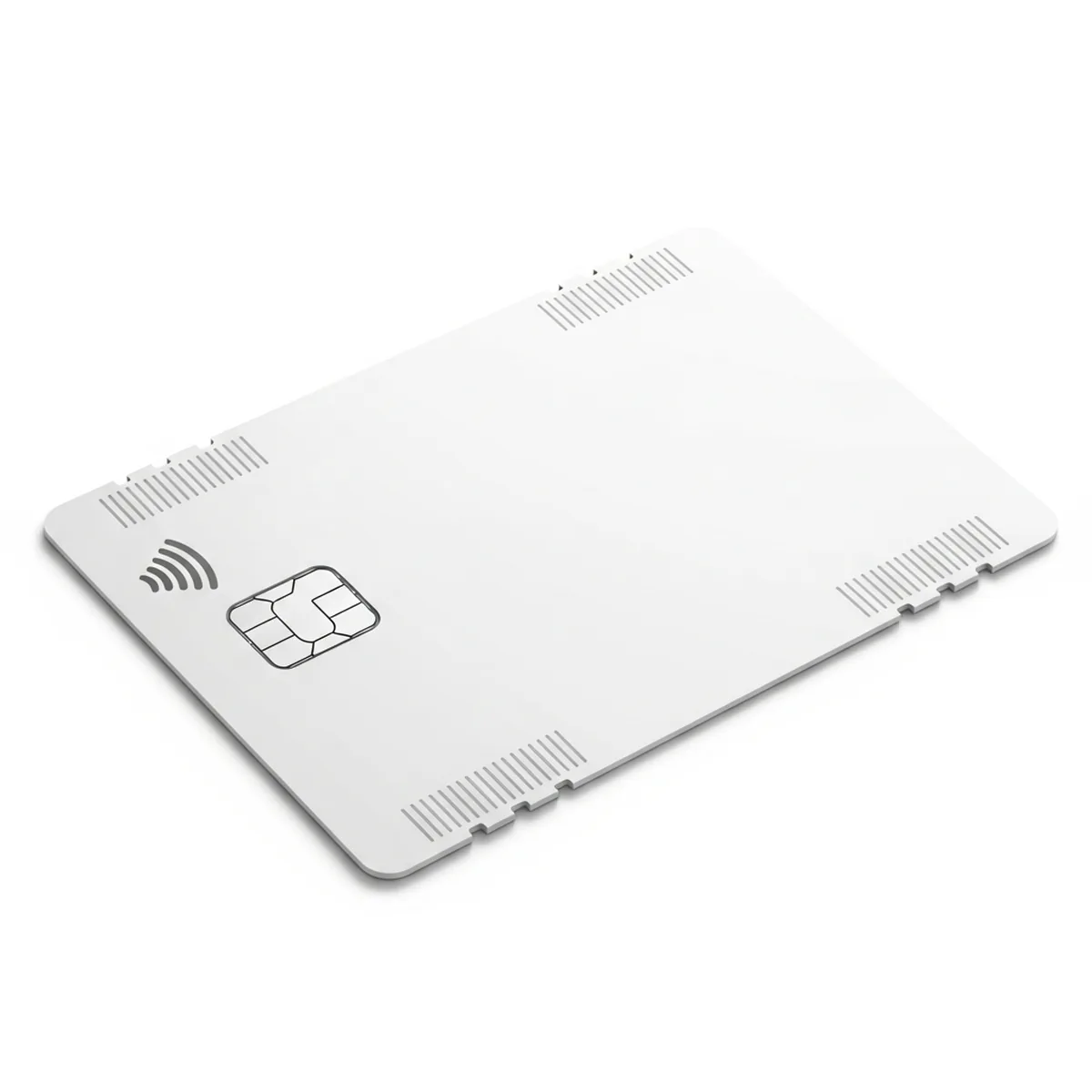
American Key Cards supplies compatible DKProx clamshell cards and key fobs encoded to the AWID 26-bit protocol. You provide your facility code (0–255) and card number range (0–65,535), and we ship ready-to-enroll credentials.
See the full DoorKing DKProx format guide for reader compatibility, part number equivalents, and how to identify your facility code.
AWID 26-Bit and AWID SP-6820 Systems
Some apartment and mixed-use properties run AWID readers independently of DoorKing—most commonly the SP-6820 and SR-2400 reader models. These installations also use the AWID proprietary 125 kHz air interface and are not compatible with HID-format cards.
AWID OEM card part numbers include CS-AWID-0-0 (clamshell), GR-AWID-0-0 (printable ISO card), and AW-PROXLINC-CS. These are rarely stocked by generic suppliers, making them one of the harder-to-source residential formats.
AKC programs compatible AWID 26-bit clamshell cards and fobs to your facility code and card number range. For larger AWID installations using the H10302 37-bit format (no facility code, globally unique card numbers), we supply those as well.
Review the AWID 26-bit format page for a full list of compatible readers and an explanation of the AWID vs. HID air-interface difference.
Kantech ioProx (XSF / 26-Bit)
Kantech ioProx is the dominant format in Canadian apartment and commercial buildings and is increasingly common in U.S. multifamily properties. The ioProx XSF (Extended Security Format) operates at 125 kHz and uses Kantech’s proprietary air interface. Like AWID, it is not interchangeable with HID Prox cards at the reader level.
Kantech OEM cards include the P10SHL (clamshell) and P40KEY (key fob), sold through Johnson Controls’ authorized dealer channel. Dealer minimums and lead times make these a persistent pain point for property managers who need to replace a handful of cards at a time.
AKC supplies Kantech ioProx-compatible clamshell cards and key fobs programmed to your site code. See the Kantech ioProx format guide for full ordering details.
Brivo ACS (Standard 26-Bit Prox Mode)
Brivo is a cloud-based access control platform widely used in modern multifamily properties managed by professional property management companies. Brivo’s own encrypted Unified Credential uses MIFARE DESFire EV3 with AES cryptography—those cards cannot be cloned or sourced from any third party. That is an honest limitation and any supplier who claims otherwise is wrong.
However, Brivo panels and readers also accept standard 26-bit proximity credentials (HID, AWID, Schlage formats) in legacy prox mode. For properties using Brivo with standard 125 kHz credentials, AKC supplies compatible 26-bit clamshell cards and fobs at direct-purchase pricing. See the Brivo format guide for a breakdown of which credential types apply to your installation.
Format Comparison: Common Apartment Access Options
| Format | Frequency | Bit Structure | OEM Example SKUs | Cloneable | AKC Compatible |
|---|---|---|---|---|---|
| DoorKing DKProx (AWID) | 125 kHz | 26-bit Wiegand | 1508-120, 1508-121 | Yes | Yes |
| AWID 26-bit (SP-6820) | 125 kHz | 26-bit Wiegand | CS-AWID-0-0, GR-AWID-0-0 | Yes | Yes |
| Kantech ioProx XSF | 125 kHz | 26-bit Wiegand | P10SHL, P40KEY | Yes | Yes |
| Brivo Unified Credential | 13.56 MHz | 56-bit DESFire EV3 | B-BUC3-56-SC50 | No | No |
| Brivo (standard prox mode) | 125 kHz | 26-bit Wiegand | — | Yes | Yes |
| HID Seos / iCLASS SE | 13.56 MHz | AES-encrypted SIO | 5005, 5006, 910 | No | No |
What “Compatible by Specification” Means—and What It Does Not
American Key Cards is not affiliated with DoorKing, AWID, Kantech, Johnson Controls, Brivo, or HID Global. Our cards and fobs are programmed to match the same format specification—the same frequency, the same air-interface protocol, the same bit structure, the same facility code and card number—as the OEM credential. They are compatible by function, not by brand.
What this means practically: a property manager provides the facility code and card number range, and AKC ships cards that read exactly the same as the original OEM credential in the installed readers. No reconfiguration of the panel or reader is needed.
What this does not mean: we cannot reproduce encrypted credentials. Brivo DESFire EV3, HID Seos, HID iCLASS SE, and MIFARE Plus SL3 use AES cryptography that prevents third-party reproduction. For those formats, the credential must be issued through the platform’s own enrollment system.
How to Identify Your Apartment’s Access Card Format
Before ordering, confirm your format using one of these methods:
Check the reader housing. Most residential readers have the brand name or model number printed or molded on the face or back. DoorKing 1815-series readers, AWID SP-6820 units, and Kantech P-series readers are all identifiable by model number.
Look at your existing cards. Many OEM cards print the part number (1508-120, P10SHL, etc.) directly on the card body. The facility code is often printed as an “FC” or “Site Code” number.
Check your access control software. The panel’s management interface typically shows the credential format the system was initialized with, along with enrolled facility codes.
Ask the original installer. The installation paperwork or the system’s wiring label box often includes the reader model and format code.
If you are still unsure, contact us at americankeycards.com/contact/ with the reader model number. We can usually identify the correct format and confirm compatibility before you place an order.
Why Non-OEM Cards Cost Less
OEM access cards carry a manufacturer’s brand markup plus dealer distribution margin. A P10SHL clamshell card purchased through a Johnson Controls dealer includes the dealer’s margin on top of Kantech’s wholesale price—often more than double what the card technology itself warrants.
Compatible cards from American Key Cards use the same 125 kHz chip technology, the same facility-code programming, and the same clamshell or fob form factor. There is no affiliated-brand license fee in the price. The result is a substantially lower per-card cost, which matters when you are replacing credentials for a 200-unit building on a regular basis.
Ordering in Bulk for Multifamily Properties
Apartment complexes typically need cards in batches that OEM dealer channels handle poorly. Dealer minimums, lead times, and the requirement for a contractor account make routine reorders frustrating for in-house property managers.
AKC ships to order in any quantity. Provide your facility code, card number range, and format—or contact us with your reader model and we will confirm the details. Cards arrive programmed and ready to enroll in your access control software.
For properties with multiple buildings or mixed reader types, we can handle multiple formats in a single order, with each batch labeled by facility code and card number range.
Ready to reorder? Contact American Key Cards with your reader model and facility code. We will confirm the format, quote the order, and ship programmed cards directly to you.
Frequently asked questions
What is the most common access card format used in apartment complexes?
DoorKing DKProx (AWID-format, 125 kHz) is one of the most widely deployed formats in U.S. residential gate and entry systems, followed by standard 26-bit Wiegand credentials used on Kantech, Brivo, and HID-based panels. The exact format depends on your reader brand and model—check the reader housing or your original installation records.
Can I order apartment access cards without going through a dealer?
Yes. For open 125 kHz proximity formats—DoorKing DKProx, AWID, Kantech ioProx, standard 26-bit—American Key Cards supplies compatible cards and fobs directly, programmed to your facility code, with no dealer account required and no minimum quantities enforced by OEM channel rules.
What information do I need before ordering replacement access cards?
You need your facility code (sometimes called a site code), the card number range you want programmed, and your reader brand and model. Most of this information is on your existing cards, in your access control software, or in the original installer documentation. Contact us if you are unsure—we can often help identify the format from the reader model number alone.
Can encrypted apartment access cards (Brivo Unified, HID Seos) be replaced by a third party?
No. Encrypted credentials such as Brivo's DESFire EV3 Unified Credential, HID Seos, and HID iCLASS SE use AES cryptography that prevents third-party reproduction. Replacements for those formats must come through the original platform vendor or integrator. AKC supplies compatible standard 26-bit prox cards for Brivo and HID systems that also accept non-encrypted credentials.