Parking Garage Access Card & Fob Replacement Guide
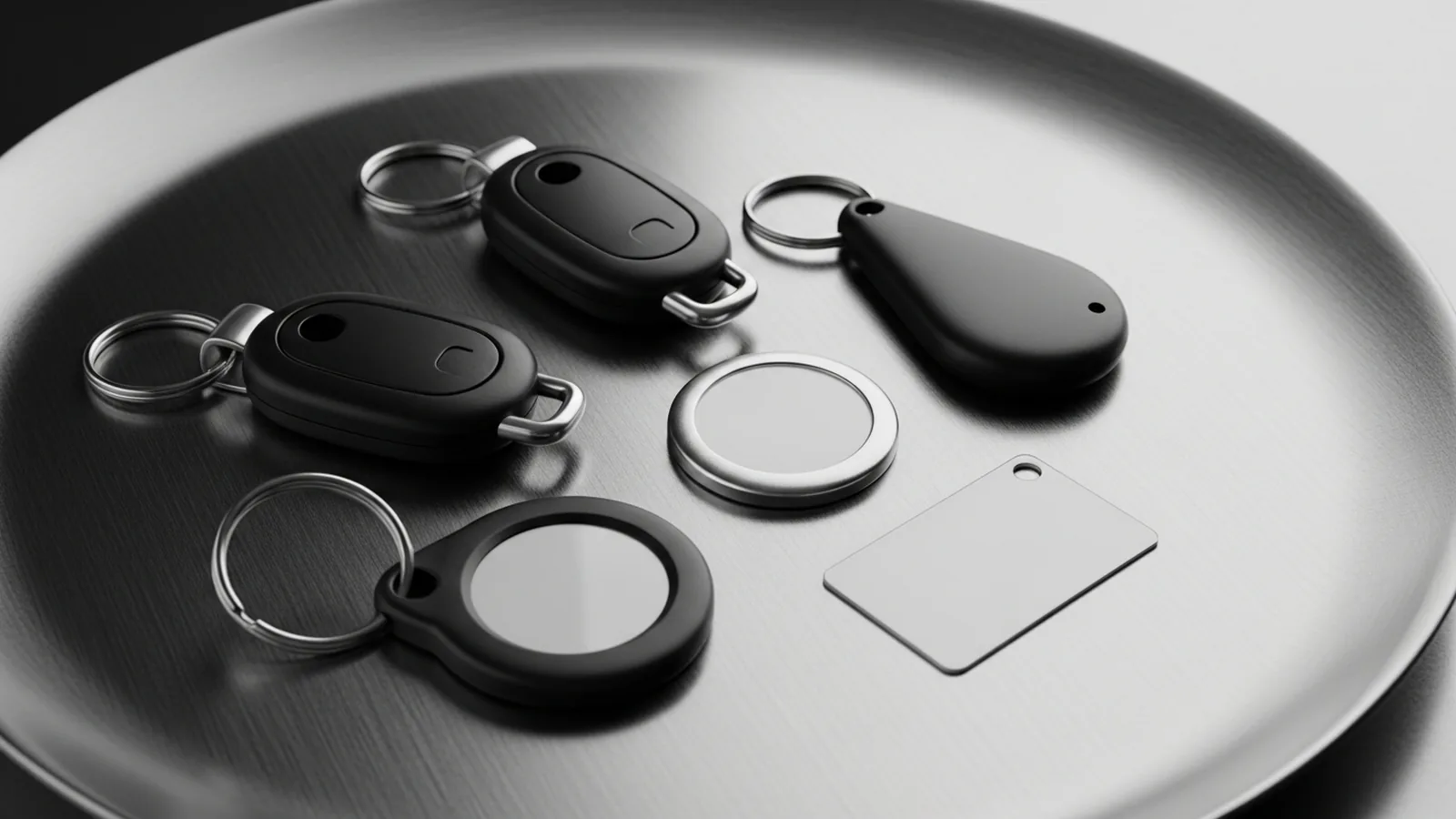
Parking garage operators and property managers responsible for monthly parker programs can order replacement access cards and key fobs directly—without a dealer account, without minimum-quantity OEM orders, and without waiting on a parking management company’s procurement cycle. The most common parking garage formats are open 125 kHz proximity credentials: DoorKing DKProx, AWID 26-bit, HID 26-bit Wiegand, and Securakey Radio Key. American Key Cards supplies compatible cards and fobs for all four, programmed to your facility code and ready to enroll in your access panel.
Why Parking Garage Card Replacement Is Complicated
Parking facilities are among the highest-turnover credential environments in commercial access control. Monthly parkers leave, new tenants onboard, cards get lost in cars or damaged by moisture, and fobs disappear constantly. That steady churn means parking operators and building managers are perpetually reordering small batches of credentials.
The problem is distribution. Parking access systems are installed by contractors who source credentials through their own dealer relationships. Once the installation is complete, the property manager inherits a single reorder path: call the contractor, wait for a quote, and pay the markup.
The underlying technology in most parking systems is unencrypted 125 kHz proximity—an open format available from aftermarket suppliers at a fraction of OEM pricing. The perceived lock-in is a distribution arrangement, not a technical barrier.
The Most Common Parking Garage Access Formats
DoorKing DKProx (AWID 26-Bit)
DoorKing is the dominant parking gate brand across apartment complexes, commercial garages, and mixed-use developments in the United States. Their DKProx credential line is used with DoorKing 1815-series proximity readers installed at entry and exit lanes, pedestrian gates, and stairwell entries.
OEM DKProx credentials include:
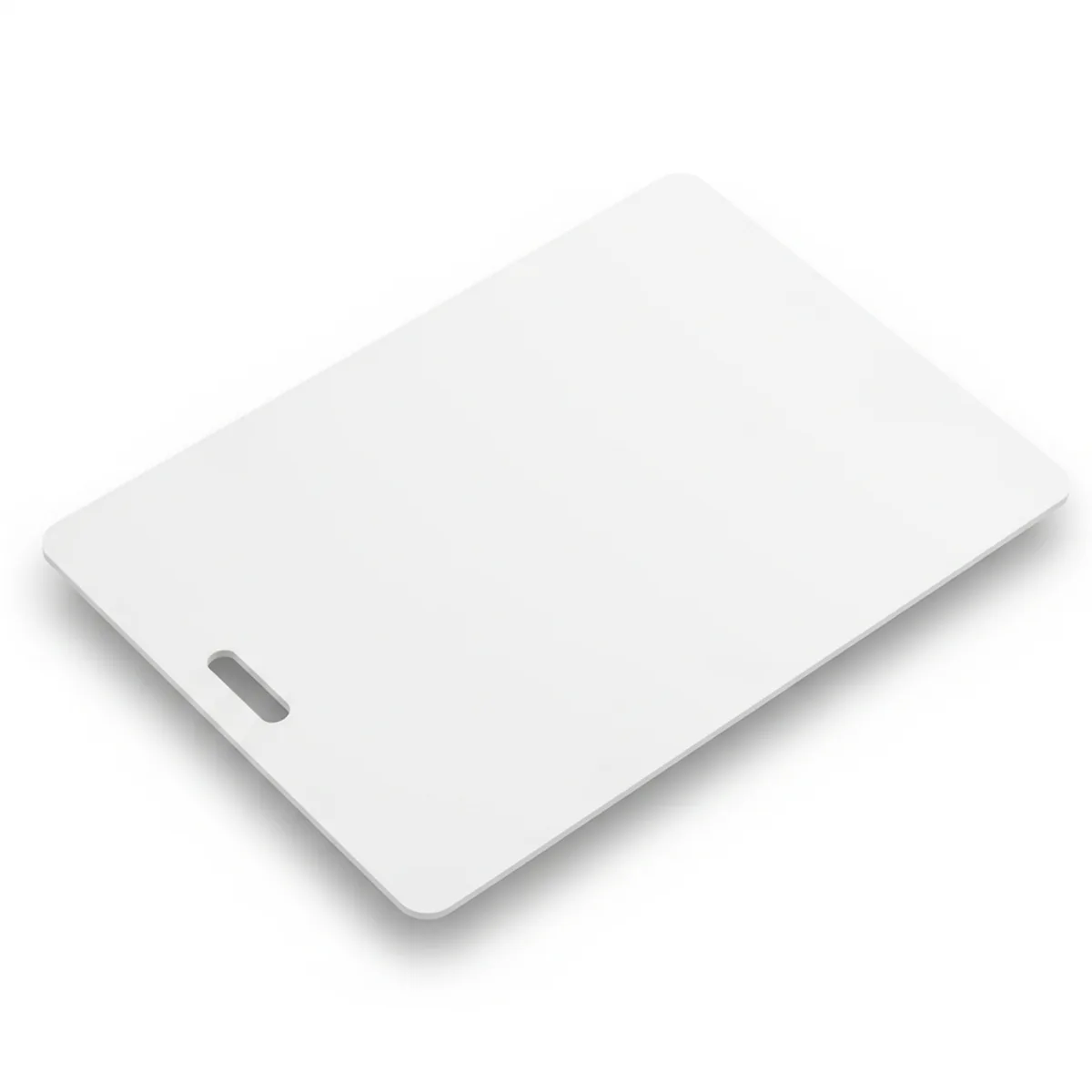
1508-120— clamshell card, the most common parking credential form factor1508-121— ISO printable card for photo ID or logo printing1508-123— alternate card format1508-021— legacy DKProx card1508-198— dual DKProx/UHF card for combined proximity and long-range vehicle detection
The critical technical point: DoorKing DKProx readers use the AWID air-interface protocol, not the HID H10301 Prox protocol. Both carry 26-bit Wiegand data to the access control panel, but the RF encoding layer between the card and the reader is completely different. A standard HID ProxCard II will not be read by a DKProx 1815-series reader—this is the most common ordering mistake in parking card replacement.
DoorKing 1815-series readers compatible with DKProx credentials include models 1815-300, 1815-301, 1815-302, 1815-330, 1815-331, 1815-281 (AWID SP-6820 OEM), and 1815-282 (AWID MM-6800 OEM).
American Key Cards supplies compatible DoorKing DKProx clamshell cards and key fobs in AWID 26-bit format, programmed to your facility code (0–255) and card number range (0–65,535). See the full DoorKing DKProx format guide for complete compatibility details.
Standalone AWID 26-Bit (SP-6820, SR-2400)
Some parking facilities have AWID-branded readers installed directly—most commonly the SP-6820 long-range reader or the SR-2400 weatherproof outdoor reader—without DoorKing branding on the housing. These use the same AWID 26-bit air-interface protocol as DKProx readers and require the same AWID-format credentials.
OEM AWID card part numbers include CS-AWID-0-0 (clamshell), GR-AWID-0-0 (printable ISO card), AW-PROXLINC-CS, and AW-PROXLINC-GR. If your reader housing shows “AWID” rather than “DoorKing,” your ordering process is identical to DKProx: provide your facility code and card number range.
See the AWID 26-bit format guide for full reader compatibility and technical details.
HID 26-Bit Wiegand (H10301)
Many commercial parking garages use HID-protocol proximity readers—HID ProxPro 5355, HID MiniProx 5365, or HID ProxPoint 6005—as part of larger access control systems that also manage building entry, elevator access, and tenant credential programs. In these installations, the same credentials used for building access work in the parking garage.
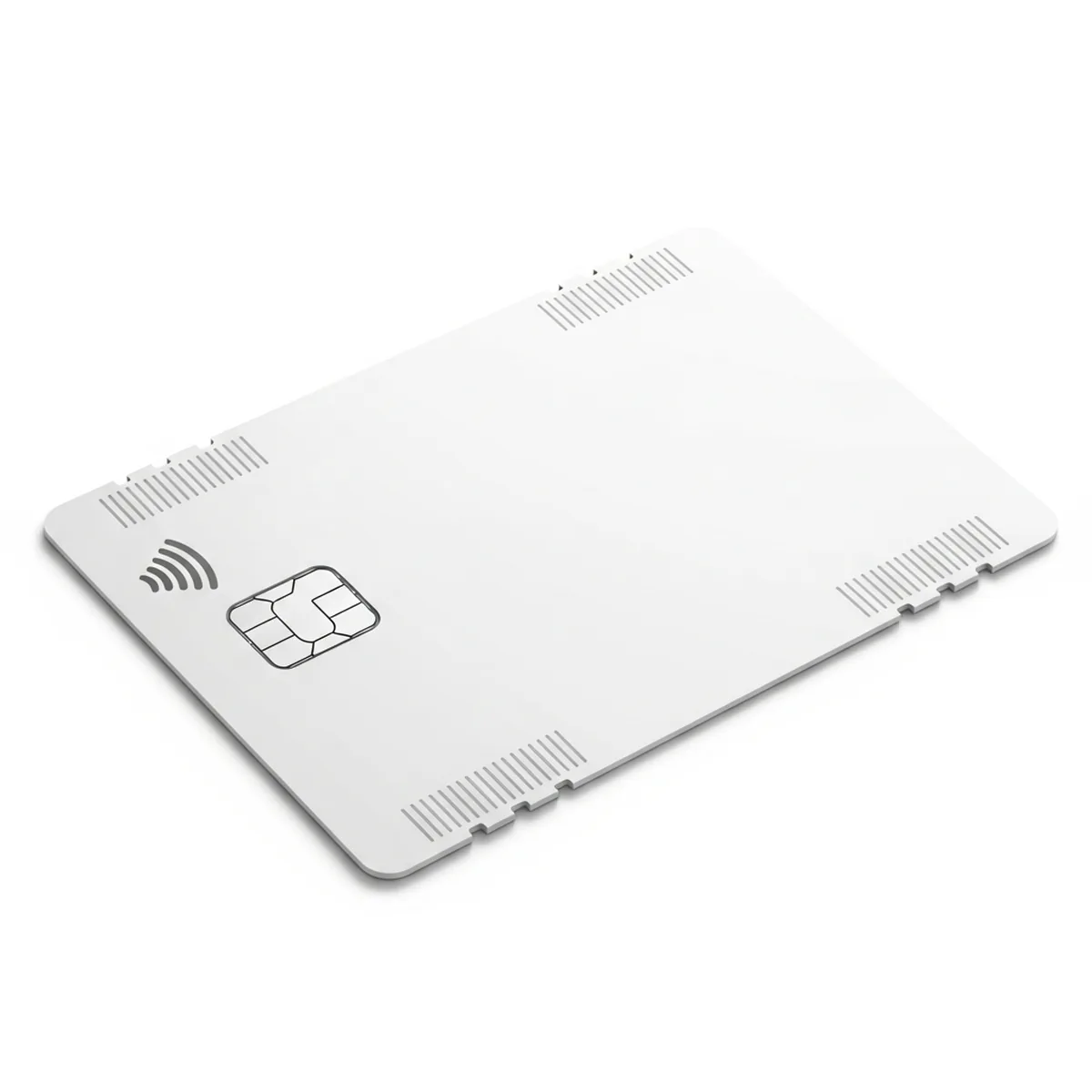
Standard HID 26-bit Wiegand is the most widely deployed access card format in North America. The format encodes a facility code (0–255) and card number (0–65,535) in a 26-bit H10301 data frame. Compatible cards from AKC are drop-in replacements for any 26-bit HID reader installation.
Securakey Radio Key (Format 201 / Format 303)
Secura Key RK600 and RK65K readers appear frequently in mid-market commercial parking installations, particularly in buildings where the system was commissioned by a Secura Key integrator. Securakey Radio Key credentials are a proprietary 125 kHz format with two Wiegand variants:
- Format 201: 26-bit Wiegand (facility codes 0–255, card numbers 0–65,535)
- Format 303: 32-bit Wiegand (expanded facility code range)
OEM Securakey credential part numbers include RKCM-01 (ISO card), RKCM-02 (ISO card with alternate encoding), RKKT-01 (key tag), and RKKT-02. The Secura Key RKDT dual-technology reader also accepts standard HID 26-bit credentials, so some RK-based installations can accept either format.
American Key Cards supplies Securakey Radio Key-compatible credentials in Format 201 (26-bit) programmed to your facility code. See the Securakey Radio Key format guide for ordering details.
Parking Garage Format Comparison
| Format | Frequency | Bit Structure | Common OEM Part Numbers | Cloneable | AKC Compatible |
|---|---|---|---|---|---|
| DoorKing DKProx (AWID) | 125 kHz | 26-bit Wiegand | 1508-120, 1508-121, 1508-123 | Yes | Yes |
| AWID 26-bit (SP-6820) | 125 kHz | 26-bit Wiegand | CS-AWID-0-0, GR-AWID-0-0 | Yes | Yes |
| HID 26-bit H10301 | 125 kHz | 26-bit H10301 | 1326LGGMN, 1386LGGMN | Yes | Yes |
| Securakey Format 201 | 125 kHz | 26-bit Wiegand | RKCM-01, RKKT-01 | Yes | Yes |
| HID iCLASS SE / Seos | 13.56 MHz | AES-128 encrypted SIO | 910, 5005, 5006 | No | No |
| MIFARE DESFire EV3 (AES) | 13.56 MHz | AES-encrypted | Vendor-specific | No | No |
Cloneability and Security: The Honest Version
All four formats covered in this guide—DKProx, AWID, HID 26-bit, and Securakey Format 201—are unencrypted 125 kHz proximity credentials with no cryptographic protection. The facility code and card number can be reproduced on a blank T5577 chip with commercially available RFID tools. This applies equally to OEM credentials from DoorKing, AWID, HID, and Secura Key—it is a characteristic of the technology, not a flaw in aftermarket sourcing.
For most parking applications this is an acceptable risk: the goal is ensuring only authorized vehicles enter, not defending against sophisticated RFID attack scenarios. If your facility requires encrypted smart credentials, HID Seos and MIFARE DESFire EV3 (AES-128) are significantly more resistant to duplication—but those formats cannot be sourced from any third-party supplier and require re-enrollment through the OEM’s platform.
AKC supplies newly manufactured, freshly programmed compatible credentials. Our cards are not copies of existing cards—they are new cards programmed to your facility code and the card number range you specify.
How to Identify Your Parking System’s Card Format
Step 1 — Read the reader housing. The proximity reader mounted at your entry lane or gate has the brand name visible. “DoorKing” with a 1815-series model number means DKProx/AWID format. “AWID” with a model like SP-6820 or SR-2400 means standalone AWID 26-bit. An HID logo means HID 26-bit H10301. “Secura Key” or “RK600” means Securakey Radio Key.
Step 2 — Check your existing cards. OEM parking credentials usually print the part number on the card body. A DoorKing card showing 1508-120 confirms DKProx format. Secura Key cards often show the Format 201 or Format 303 designation. The facility code is typically labeled “FC,” “Site Code,” or “S/C” on the card face.
Step 3 — Look in the access panel software. The controller managing your parking system stores the facility code and card format in its configuration. This is also where you can see the full list of enrolled card numbers, which is useful before ordering a new batch.
Step 4 — Check installation documentation. The original installer should have left as-built documentation that includes the card format and facility code. Property managers often find this in the building’s electrical or security drawings.
If you cannot identify the format from these steps, contact American Key Cards with the reader model number and any details from existing cards. We can identify the format from the reader model in most cases.
Ordering for Monthly Parker Programs
Monthly parker programs have predictable demand: new parkers onboard, existing parkers lose cards or fobs, and batches of credentials are needed throughout the year. Three practical considerations:
Clamshell cards vs. key fobs. Clamshell cards work well for parkers presenting credentials through a car window. Key fobs are preferred when the credential also serves building entry. AKC supplies both form factors across all supported formats.
Card number sequencing. Order new batches with card numbers that continue sequentially from your last issued number rather than reusing revoked card numbers. This prevents any possibility of access overlap in the panel database.
Bulk pricing. Per-unit cost drops at higher quantities. If your facility issues 30–50 credentials per month, a quarterly pre-order batch is more economical than small repeat orders.
Why Compatible Cards Cost Less Than OEM
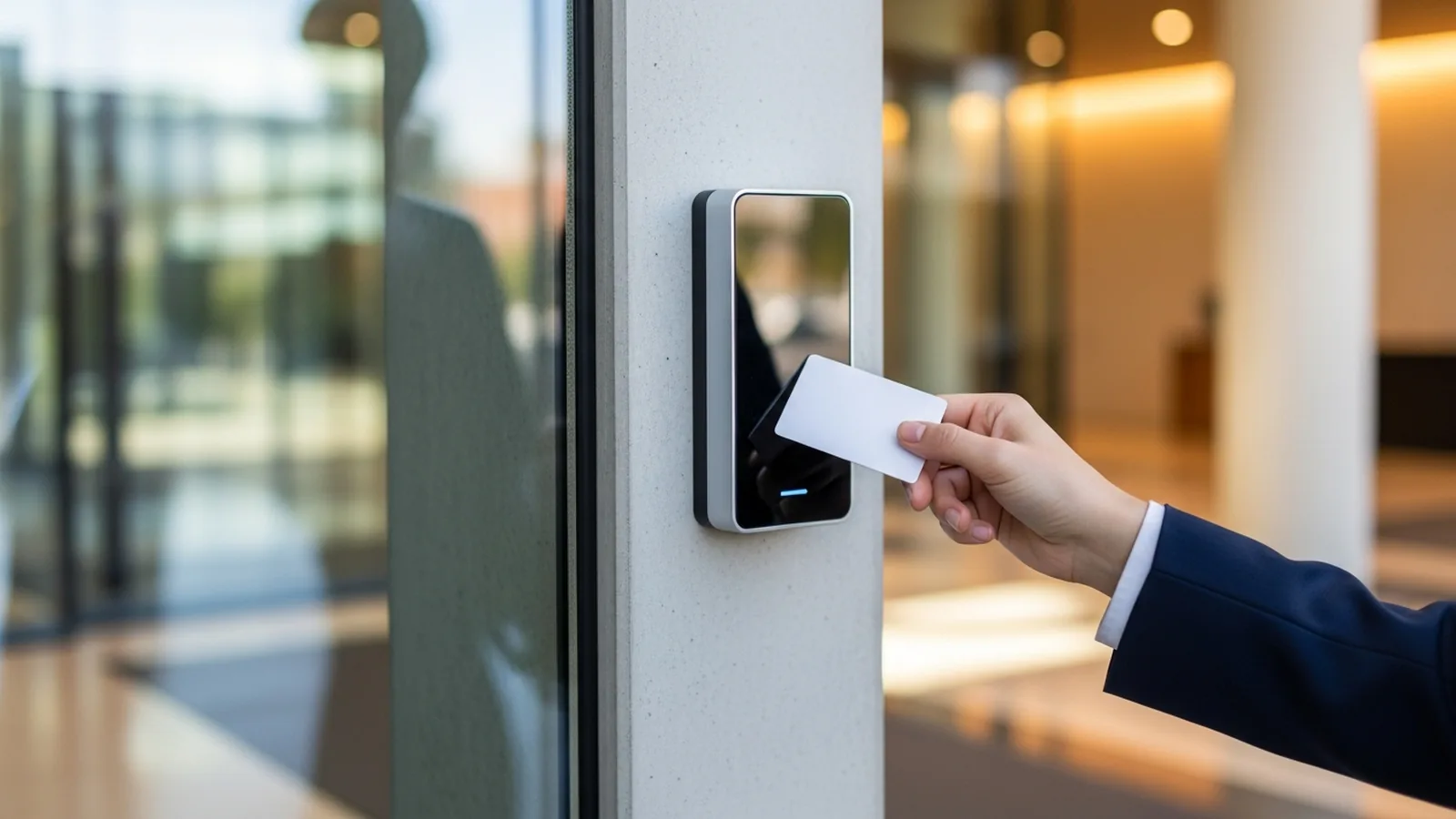
American Key Cards is not affiliated with DoorKing, AWID, HID Global, Secura Key, or any parking system OEM. Our products are compatible by specification: same 125 kHz frequency, same air-interface protocol, same Wiegand output format, programmed to the same facility code and card numbers. When a monthly parker presents our card at your DoorKing or AWID reader, the reader decodes it and opens the gate—exactly as it does with an OEM card.
Parking access credentials follow the same distribution economics as most commercial access control products. The OEM sells to a regional distributor, who sells to a parking integrator or gate contractor, who marks up the price again before billing the property manager. American Key Cards sources card components directly and programs credentials to order—no distributor margin, no integrator markup. For a parking operator replacing 100 monthly parker fobs or a property manager ordering quarterly batches of 50 clamshell cards, the per-unit savings are meaningful without any compromise in read performance.
Ready to Order
Parking operators and property managers can contact American Key Cards directly with their reader model, facility code, quantity, and preferred form factor. We confirm the correct format, provide a quote, program credentials to your specification, and ship ready-to-enroll cards and fobs. No dealer account, no minimum order requirements beyond a practical production minimum, and no waiting on a contractor to place the order on your behalf.
Frequently asked questions
What access card format do most parking garage systems use?
The most common parking garage credential formats are DoorKing DKProx (AWID-protocol 125 kHz), standalone AWID 26-bit, standard HID 26-bit Wiegand, and Securakey Radio Key (Format 201). Your format depends entirely on the reader brand and model installed at the entry lane or barrier gate. The reader housing almost always shows the brand name, which is the fastest way to confirm what you need.
Can I order replacement parking garage cards without going through the parking operator or a dealer?
Yes, if your system uses an open 125 kHz proximity format such as DoorKing DKProx, AWID, HID H10301, or Securakey Format 201. American Key Cards programs compatible clamshell cards and key fobs to your facility code and ships directly—no dealer account required. Encrypted smart credentials (HID Seos, MIFARE DESFire AES) cannot be sourced from any aftermarket supplier.
What information do I need to order replacement parking access cards?
You need your reader brand and model (printed on the reader housing at the gate), your facility code (also called site code), and the card number range you want programmed. The facility code is typically printed on existing cards, stored in the access panel software, or available from the original installer's records. If you are unsure, contact us with the reader model number and we can help identify the correct format.
Are parking garage proximity cards and fobs cloneable?
Standard 125 kHz parking credentials—DoorKing DKProx, AWID, HID 26-bit, Securakey Format 201—carry no encryption and can be duplicated with commercially available RFID tools. This is a factual property of the underlying technology. Encrypted smart credentials such as HID Seos and MIFARE DESFire EV3 (AES-128) cannot be cloned and cannot be supplied by any third-party vendor. AKC supplies newly programmed compatible cards, not copies of existing cards.