Paradox C704 Compatible Proximity Fob: Buyer's Guide
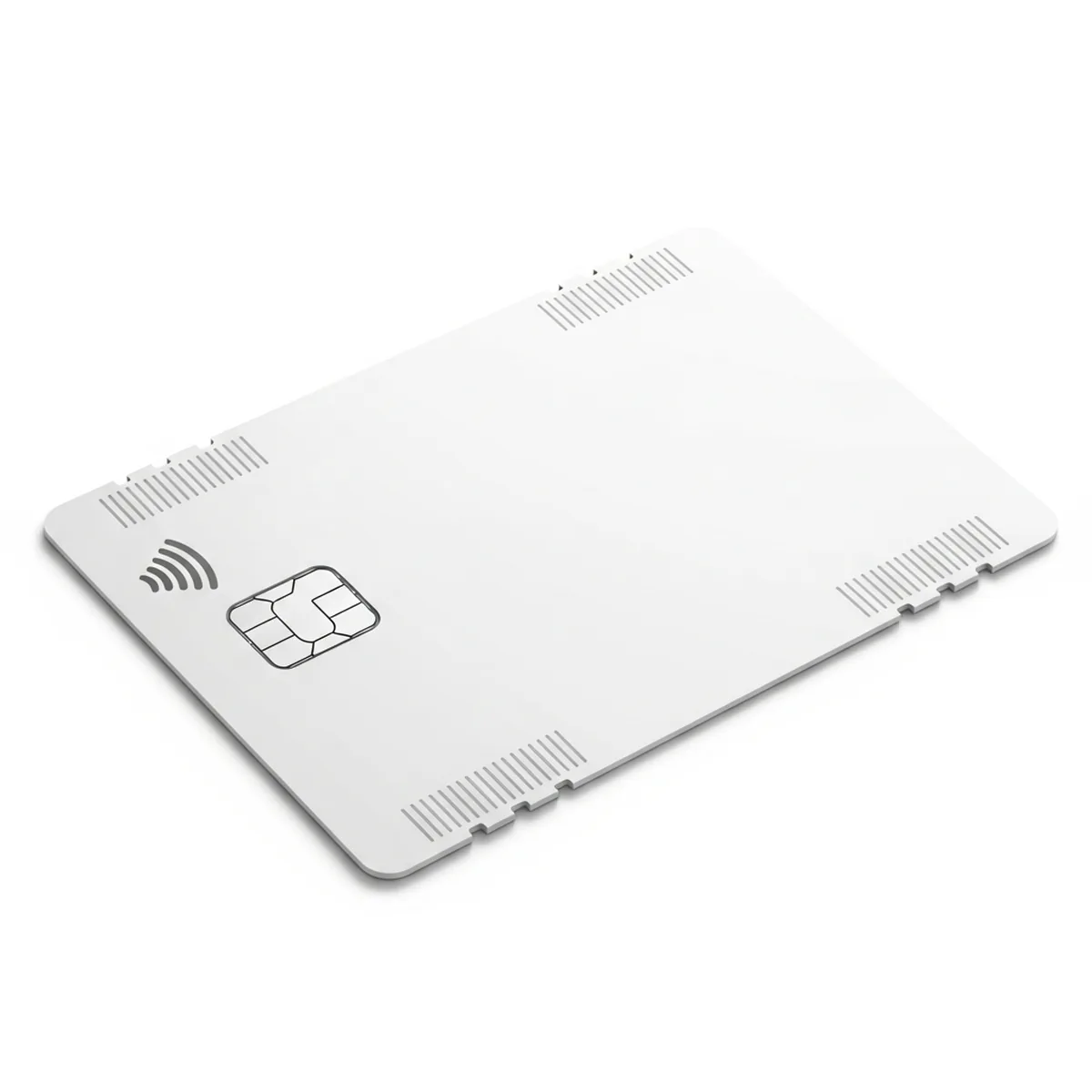
Paradox Security Systems’ C702 clamshell card and C704 teardrop fob are the standard proximity credentials for Digiplex and Magellan access control systems. Both operate at 125 kHz using a proprietary Paradox 24-bit encoding — a format with no cryptographic protection, which means compatible replacements can be programmed and supplied without going through the Paradox dealer channel. American Key Cards manufactures and ships compatible Paradox-format cards and fobs, pre-encoded to your credential data, for use with Paradox proximity readers without any panel modifications.
What the Paradox Proximity Format Is
The Paradox proximity lineup includes three main credential types:
C702— ISO CR80 clamshell card (the wallet-card form factor)C704— Teardrop key fob (the most commonly lost or damaged credential)C705— Slim flat key fob (lower-profile alternative to the C704)
All three operate at 125 kHz using Paradox’s 24-bit proprietary encoding. Unlike the ubiquitous 26-bit Wiegand standard (H10301), Paradox’s 24-bit format is specific to their reader family. The chip itself is a standard 125 kHz passive RFID transponder — no battery, no button, just a coil and IC that wakes up when it enters the reader’s field.
The panel-side part numbers DG457BT (a Bluetooth-plus-proximity hybrid reader) and REM2 (a remote reader module) are commonly found in Paradox installations alongside the PR-EG dedicated proximity reader and the APR-PRT3 module that brings proximity capability to Digiplex panels.
How to Identify a Paradox Proximity System
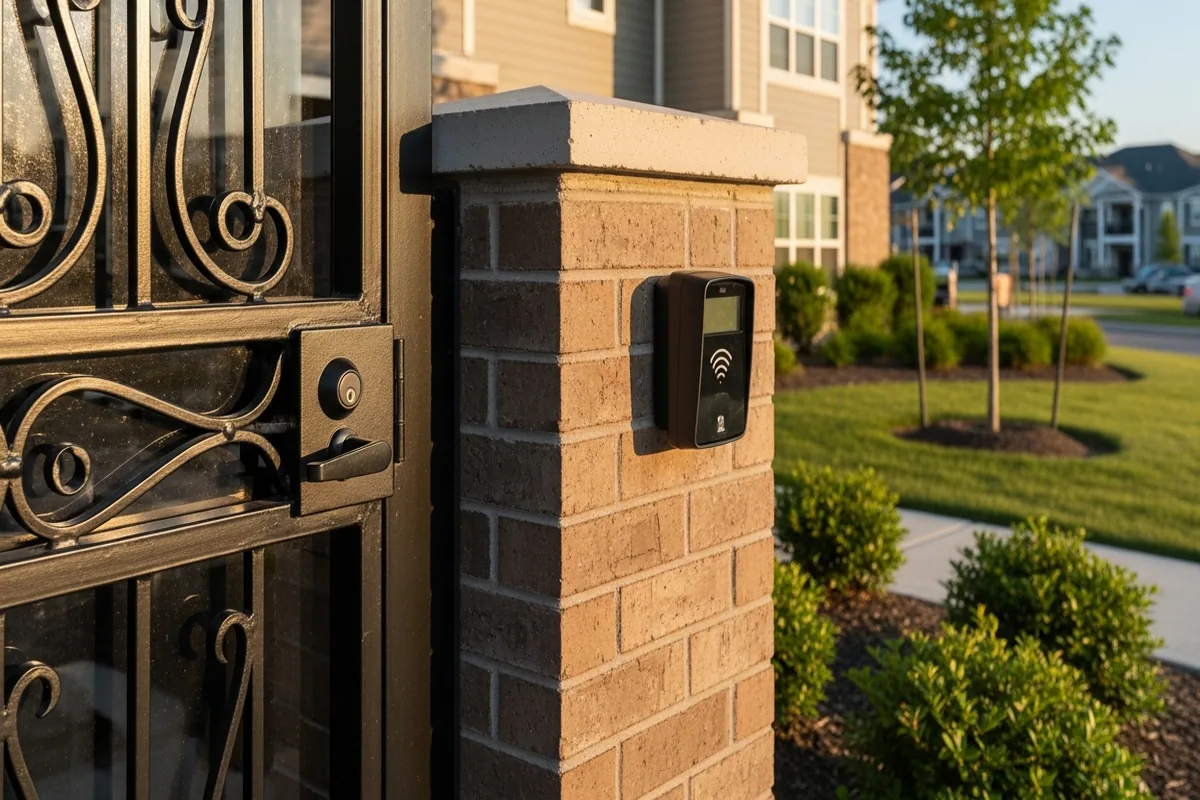
Look for any of these indicators before ordering:
- Reader branding — The reader will carry the Paradox logo and will typically say “Paradox” on the housing, or show a model code like
PR-EGorDG457BT. - Panel branding — The main alarm/access panel will be a Paradox Digiplex EVO (EVO48, EVO192), Magellan MG5050, or similar Paradox model.
- Existing credentials — OEM Paradox fobs are tear-drop shaped (C704) or flat plastic (C705), usually with a Paradox logo embossed or printed. The card number is often printed or laser-engraved on the credential body.
- Installer records — If you have the original system documentation, it will list the credential model. Most Paradox integrators specify
C702cards orC704fobs as the credential type.
If your reader is installed as part of a combined alarm and access system — which is Paradox’s typical deployment model — the proximity reader is almost certainly configured for the Paradox 24-bit format.
Can Paradox Proximity Credentials Be Cloned or Reproduced?
Yes. Paradox C702 cards and C704 fobs use standard 125 kHz passive RFID with no encryption layer. The 24-bit credential data is fixed at factory programming and stored in an unprotected read-only format on the chip. This means the data can be read with commercially available tools (such as Proxmark3) and reproduced on a blank T5577 transponder or a factory-programmed compatible chip.
That is the basis for what American Key Cards does: we supply credentials that are compatible by specification — manufactured to the same 24-bit encoding scheme used by OEM Paradox credentials, produced independently and not affiliated with Paradox Security Systems. The resulting fob or card is functionally identical at the reader because the reader only evaluates the encoded data, not the physical origin of the credential.
This is honest and straightforward: the Paradox 24-bit format is reproducible, and that is why a legitimate aftermarket supply chain exists for it.
What Cannot Be Reproduced
If your site has been upgraded to use Paradox smart card readers with MIFARE DESFire or similar encrypted 13.56 MHz credentials, those cannot be cloned or produced by third-party suppliers. MIFARE DESFire AES encryption requires the site-specific diversified key, which the OEM holds. If you are unsure which type of reader you have, check whether it reads a phone (NFC) or only reads physical fobs — legacy 125 kHz prox readers will only respond to physical cards.
Spec Comparison: OEM Paradox vs. AKC Compatible
| Specification | OEM Paradox C704 | AKC Paradox-Compatible Fob |
|---|---|---|
| Frequency | 125 kHz | 125 kHz |
| Encoding | Paradox 24-bit proprietary | Paradox 24-bit proprietary |
| Read range | ~2-4 inches (5-10 cm) | ~2-4 inches (5-10 cm) |
| Form factor | Teardrop key fob | Teardrop key fob |
| Panel compatibility | Digiplex, Magellan, PR-EG | Digiplex, Magellan, PR-EG |
| Encryption | None | None |
| Requires panel change | No | No |
| OEM affiliation | Paradox Security Systems | Not affiliated (compatible by spec) |
The AKC card equivalent mirrors the C702 in ISO CR80 clamshell format at the same 125 kHz and 24-bit encoding.
Compatible Readers and Panels
Paradox-compatible credentials from AKC work with the following reader and panel combinations:
PR-EG— Paradox standard proximity reader, wall-mount, Wiegand outputAPR-PRT3— Proximity module for Digiplex panelsDG457BT— Bluetooth and proximity hybrid reader (proximity mode)- Magellan MG5050 panel with integrated proximity reader port
- Digiplex EVO series (EVO48, EVO96, EVO192) with proximity reader modules
- Any 125 kHz reader accepting 24-bit or 26-bit Wiegand output where the panel is configured for Paradox-format credentials
For more detail on how this format fits within the broader landscape of 125 kHz proximity formats, see the Paradox Proximity format page.
What Information You Need to Order
Because Paradox credentials are sequentially numbered at the factory, ordering replacements requires one of the following:
- A working credential — Send us a fob or card that still reads on your system and we can match the format. This is the most reliable method for a like-for-like replacement.
- Your credential list — If your installer or access control software logged the credential numbers assigned to each user, provide the numbers you need reproduced.
- A new sequential range — If you are adding users rather than replacing specific lost credentials, we can program a consecutive batch of new credential numbers. You then enroll them into your panel software the same way you would OEM credentials.
You do not need to provide the card numbers in any special format — if you have the printed number from an existing fob, that is sufficient.
Why Non-OEM Costs Less (and Why That Is Not a Problem)
OEM Paradox credentials are sold through authorized security dealers. Dealer distribution adds margin at each step, and minimum order quantities often apply. If a tenant loses a single fob, the property manager’s only OEM option may be ordering a pack of ten and absorbing the cost of nine spares.
American Key Cards sells direct, with no minimum quantity requirement, at per-unit pricing that reflects the actual cost of the credential rather than the dealer channel markup. The credential you receive is compatible by specification — it carries the same 24-bit Paradox encoding and operates on the same readers. There is no performance difference at the reader; the reader evaluates the data stream, not the brand on the fob.
For related formats that also use standard 125 kHz proximity technology, see the Rosslare Proximity format page and the Kantech ioProx format page — both similarly available as compatible aftermarket credentials.
Use Cases Where AKC Paradox-Compatible Credentials Are Commonly Ordered
- Multi-unit residential buildings running Digiplex or Magellan panels where tenant turnover means regular fob replacements
- Small commercial offices that installed a Paradox hybrid alarm/access system and need to issue credentials to new employees without calling the original installer
- Property managers replacing lost
C704fobs one at a time rather than minimum-quantity OEM orders - Security integrators who want a cost-effective credential supply for Paradox installations without locking clients into OEM-only pricing
The Paradox platform is common in residential and light-commercial access control precisely because it integrates alarm and access functions in one panel. That same deployment pattern creates ongoing credential replacement demand that the OEM dealer channel serves inefficiently for small quantities.
How to Order
Contact American Key Cards with your credential information — a working fob to reference, a credential number list, or the number range you want programmed — and we will confirm the format and provide a quote. There is no minimum order, and credentials ship factory-encoded and ready to enroll. Visit our contact page to get started or ask a question about your specific Paradox system.
For guidance on Paradox format details and how it compares to other 125 kHz proximity formats in our catalog, the Paradox Proximity format page covers the full technical specification. We can also advise on whether your Paradox installation is configured for the native 24-bit format or a 26-bit Wiegand mode — both are supported, and the right credential depends on how your panel was programmed.
Frequently asked questions
What chip format do Paradox C702 and C704 proximity credentials use?
Paradox proximity cards and fobs — the C702 clamshell card, C704 teardrop key fob, and C705 flat fob — all operate at 125 kHz using a proprietary 24-bit encoding scheme. The data is factory-encoded and read-only, with no cryptographic protection. Compatible replacements can be programmed to the same 24-bit specification.
What information do I need to order a Paradox-compatible fob from American Key Cards?
You need the credential number (the sequential ID encoded on your existing card or fob) or access to a working credential we can read. If your panel records show your facility code and card number assignments, that information is sufficient. Contact us and we will walk you through the details.
Will a compatible Paradox fob work without reprogramming my panel?
Yes — compatible fobs encoded to the same Paradox 24-bit format read on Paradox proximity readers (such as the PR-EG and APR-PRT3) exactly as OEM credentials do. No panel reprogramming is required because the credential data is what the panel recognizes, not the card body itself.
Do Paradox readers also accept standard 26-bit HID cards?
Some Paradox reader configurations can output standard 26-bit Wiegand data to the panel, depending on how the system was programmed. However, most Paradox installations use the native 24-bit format. Contact us with your panel model — Digiplex EVO, Magellan MG5050, or otherwise — and we can confirm which credential type will work for your site.